

Dalbergia Sissoo: Pakistan’s Sheesham Rosewood and the Path to Conservation

Updated: 5 days ago
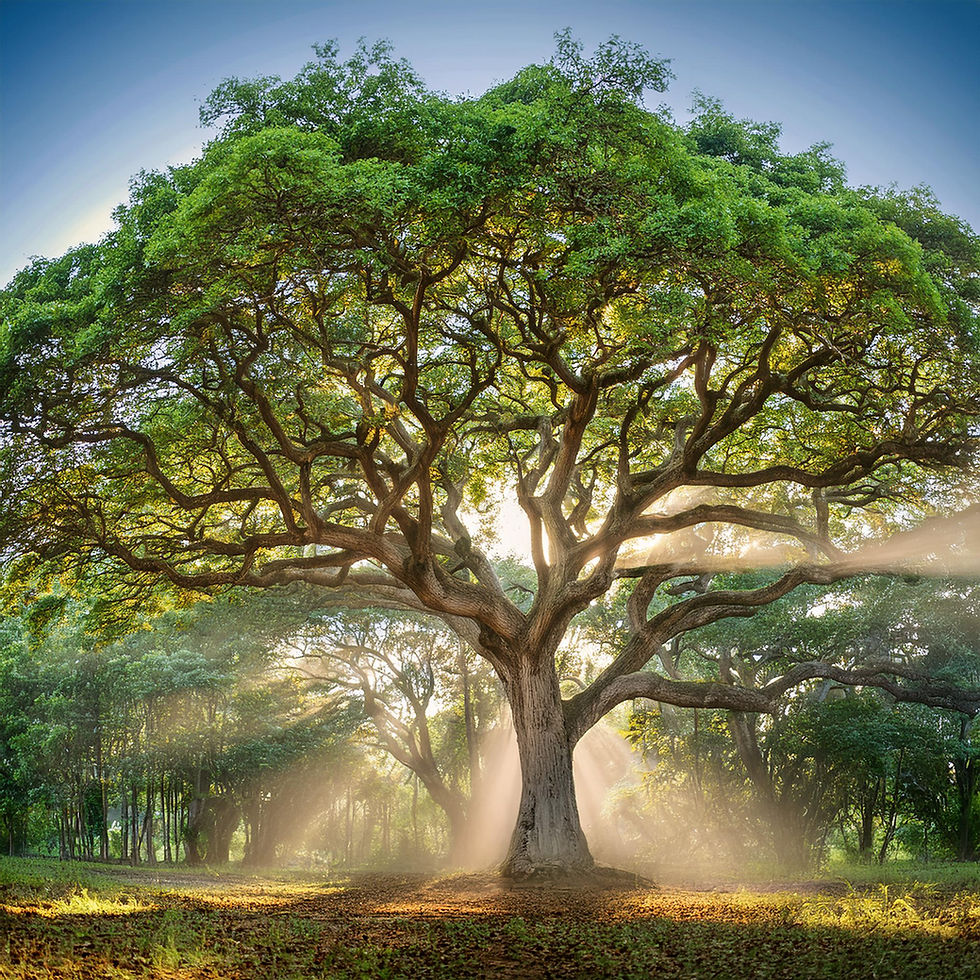
The Dalbergia Sissoo, also known as Sheesham or Indian Rosewood, holds great significance in Pakistan's natural and cultural heritage. This versatile hardwood tree, native to the subcontinent, plays a central role in the country's ecosystem, economy, and craft traditions. Despite being classified as a species of "Least Concern" on the International Union for Conservation of Nature (IUCN) Red List, overharvesting of Rosewood and unsustainable foresting practices push various species in the Dalbergia genus toward endangerment. Therefore, conservation efforts to protect these trees, especially in partnership with organizations like Rosewill Conservation, are becoming increasingly critical.
Why is Dalbergia Sissoo in Pakistan so important? Dalbergia Sissoo, or Sheesham, is well-known for its durable, fine-grained wood, valuable in furniture making, carving, and musical instruments. Its deep brown to golden hues and natural grain patterns makes it a favorite for high-quality cabinetry and flooring. It is also essential for traditional Pakistani woodworking, an ancient craft passed down through generations.
Sheesham is not only economically valuable but also ecologically significant. As a fast-growing, drought-resistant species, it thrives in various climates, mainly along riverbanks in Pakistan and India. Its root system stabilizes soil, reduces erosion, and contributes to nitrogen fixation, improving soil fertility and supporting surrounding plant life. Due to its resilience, rapid growth, and ecological benefits, Sheesham is useful in reforestation programs.
How unsustainable practices have affected Sheesham forests throughout time. Historically, Dalbergia Sissoo trees were abundant throughout the Punjab region of Pakistan and India, forming dense forests supporting wildlife and local communities. Over the centuries, however, the widespread use of Sheesham in construction, agriculture, and the handicraft industry has led to overharvesting. Unsustainable logging practices, deforestation for agriculture, and urbanization have further reduced the native population of these trees.
While Dalbergia Sissoo itself is not yet classified as endangered, its close relatives in the Dalbergia genus, such as Brazilian Rosewood (Dalbergia nigra) and Honduran Rosewood (Dalbergia stevensonii), have suffered dramatically from overexploitation, particularly for their use in high-end musical instruments and luxury furniture. This overharvesting has led to their placement on the International Union for Conservation of Nature (IUCN) Red List as an endangered or critically endangered species.
In response to these pressures, the Convention on International Trade in Endangered Species of Wild Fauna and Flora (CITES) has imposed restrictions on the trade of certain Rosewood species, including Dalbergia Sissoo, to curb illegal logging and ensure sustainable use. The restrictions under CITES aim to regulate the international trade of these species, ensuring that their harvest does not threaten the species' survival.
How do reforestation and conservation efforts improve Pakistan? As awareness of the ecological value of Sheesham grows, efforts to reverse deforestation and promote reforestation have become a priority in Pakistan. Reforestation projects, often led by local communities and supported by governmental and non-governmental organizations, aim to restore Sheesham forests to their former abundance. These programs focus on sustainable forest management practices that ensure the long-term health of Sheesham populations while providing economic benefits to rural communities.
Forestry management in Pakistan has also introduced controlled harvesting measures, focusing on planting new trees to replace those cut down. Encouraging the sustainable use of Sheesham timber while promoting its regrowth is essential for environmental conservation and the livelihoods of those who depend on this valuable resource.
Despite these efforts, the challenge of illegal logging remains, mainly due to the high demand for Rosewood in international markets. Strengthening enforcement of CITES regulations, promoting certified sustainable forestry practices, and raising global awareness of the need to protect Dalbergia species are crucial steps toward preventing further degradation of Rosewood populations.
Now, more than ever, it is crucial to prioritize environmental protection as a fundamental practice. Recognizing the urgent need for urgent action to protect the environment and ensure the responsible use of natural resources, Memoriam has taken a firm stance on conservation. In partnership with Rosewill Conservation, Memoriam is raising awareness about the importance of protecting Dalbergia species and promoting sustainable forestry practices.
Through this partnership, Memoriam will support reforestation projects in the Potohar region, Lahore and its surroundings, and Swabi. By planting new trees and educating local communities about sustainable forest management, Memoriam aims to contribute to the preservation of the Sheesham tree and its ecosystem.


Comments