


Eternal Ethics: Discovering Jainism's Timeless Wisdom
- Kyle Fricke

- Mar 26, 2025
- 3 min read
Jainism, one of the oldest religions in the world, stands as a beacon of peace, offering a unique and insightful perspective on life, ethics, and the universe. With a history of over 2,500 years, Jainism has not only shaped the spiritual landscape of India but continues to resonate with contemporary thought and practices across the globe. This exploration delves into the origins of Jainism, its core beliefs and teachings, its role in modern society, and its stance on practices such as cremation, offering a comprehensive overview of a religion that champions non-violence and ethical living.
The roots of Jainism stretch back to ancient India around the 6th century BCE, a period marked by significant philosophical and religious experimentation. Although traditionally associated with Mahavira, the 24th Tirthankara, Jainism asserts that its teachings have been eternal, guided through cycles of time by various Tirthankaras. Mahavira, therefore, is revered not as the founder but as a reformer who revitalized Jainism's ancient principles. This era, which also saw the rise of Buddhism and the development of various Hindu philosophies, was ripe for the emergence of Jainism. This tradition would offer a distinctive path to spiritual liberation.
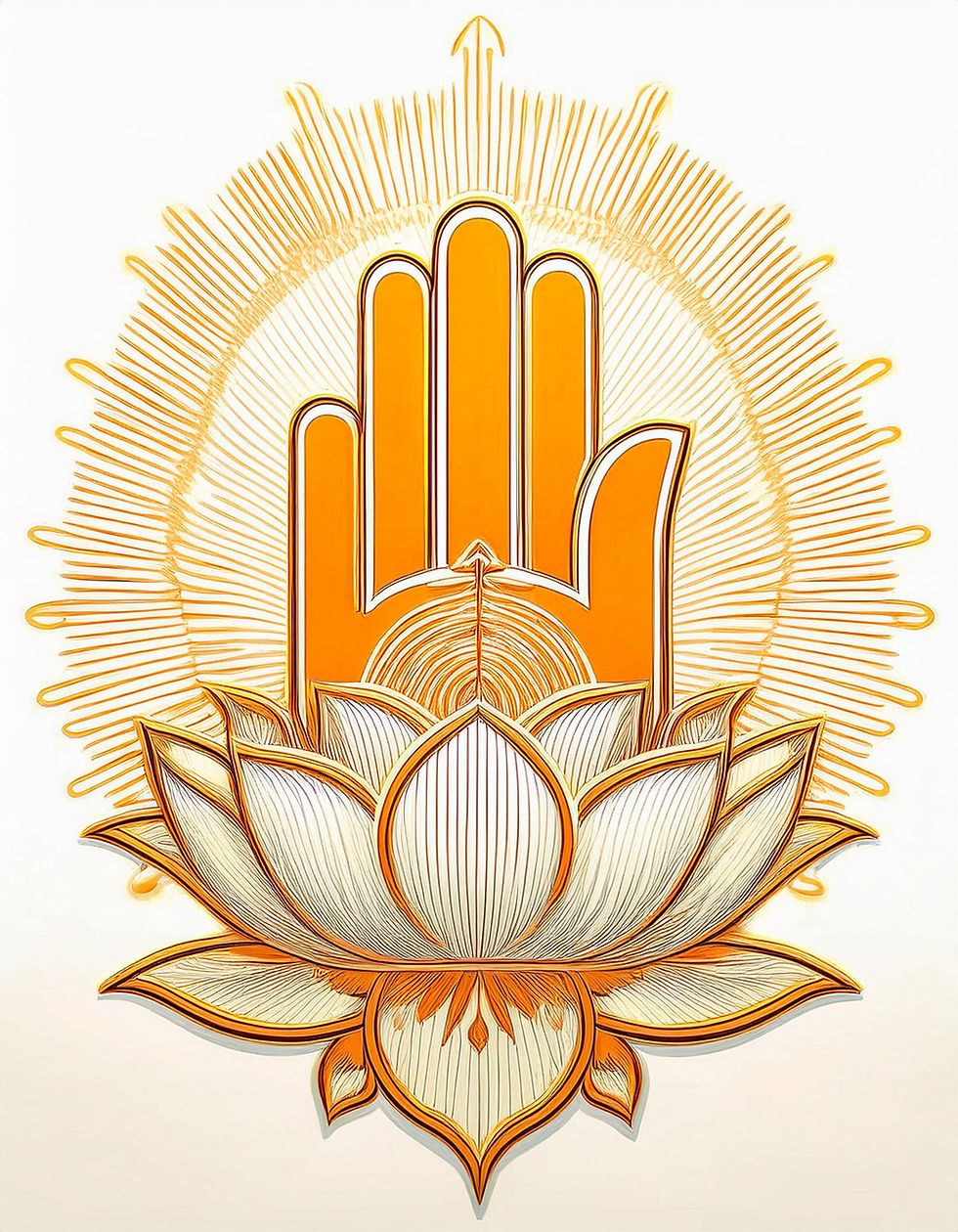
The principle of ahimsa, or non-violence, is central to Jainism, a concept that extends beyond physical harm to encompass non-violent thoughts and speech. Jains uphold that all living beings possess a soul, so causing damage to any being impedes one's spiritual journey. This profound respect for life influences Jain dietary practices, which are strictly vegetarian, and daily life, fostering a lifestyle of compassion and mindfulness.
The core principles of Jainism include Non-Violence (Ahimsa), Non-Possessiveness (Aparigraha), and Non-Absolutism (Anekantavada), along with the pursuit of Self-Discipline through Right Perception, Right Knowledge, and Right Conduct. These tenets guide Jains toward minimizing their impact on other beings, reducing the cycle of karma, and ultimately achieving spiritual liberation. The practice of Aparigraha, for instance, encourages detachment from material possessions, while Anekantavada promotes a multifaceted understanding of truth, fostering tolerance and open-mindedness.
In contemporary society, Jainism maintains a vibrant presence, especially in India, where it contributes significantly to the cultural and religious fabric. The Jain community is renowned for its dedication to non-violence, philanthropy, and education. Jain temples and institutions serve as centers of worship and hubs for community service and learning. Moreover, Jainism's influence extends internationally, with growing communities in North America, Europe, and beyond. Despite its relatively small following, Jain teachings on ethics and non-violence resonate with a broader audience, underscoring the universal appeal of its message.
Jainism's approach to death and the afterlife is marked by a unique tradition known as Sallekhana, or Santhara, which involves voluntary and meditative fasting until death. This practice is viewed as a final act of purification, allowing the soul to liberate itself from the cycle of rebirth. However, Jainism traditionally advocates for cremation as the method for disposing of the body. This practice aligns with Jain's values of non-violence, minimizing the environmental impact and potential harm associated with burial methods. Cremation is a respectful way to return the body to the elements, facilitating the soul's journey.
While deeply respected within the Jain community, Sallekhana's practice has sparked ethical and legal debates in modern times. Concerns about its potential misuse have led to scrutiny and regulation in various contexts, highlighting ancient traditions' challenges in contemporary legal and ethical frameworks.
Jainism offers a profound narrative of spiritual teachings and ethical principles that continue to inspire and guide individuals worldwide. Its emphasis on non-violence, non-possessiveness, and tolerance reflects a deep commitment to understanding and living harmoniously with all beings. As Jainism interacts with modern practices and challenges, it remains a vital and influential tradition, offering insights into a compassionate and thoughtful way of life.
Whether exploring Jainism for the first time or seeking to deepen their understanding, the ancient wisdom and contemporary relevance of Jain teachings provide invaluable insights for leading a meaningful and ethical life. Jainism invites us to reflect on our values and actions through its rich tapestry of beliefs and practices, encouraging a journey toward spiritual enlightenment and a more compassionate world.


Comments