

Navigating Grief: Laws and Love in Final Farewells

Updated: 6 days ago
When faced with the loss of a loved one, among the myriads of considerations and decisions to be made, the specifics of burying or interring them often come to the forefront. It's a process steeped in cultural significance, personal values, and legal requirements. Each state in the United States has its own set of rules and regulations governing the procedures for both traditional burials and the handling of cremation ashes. Understanding these unique requirements is crucial to ensure the process respects the deceased and the law.
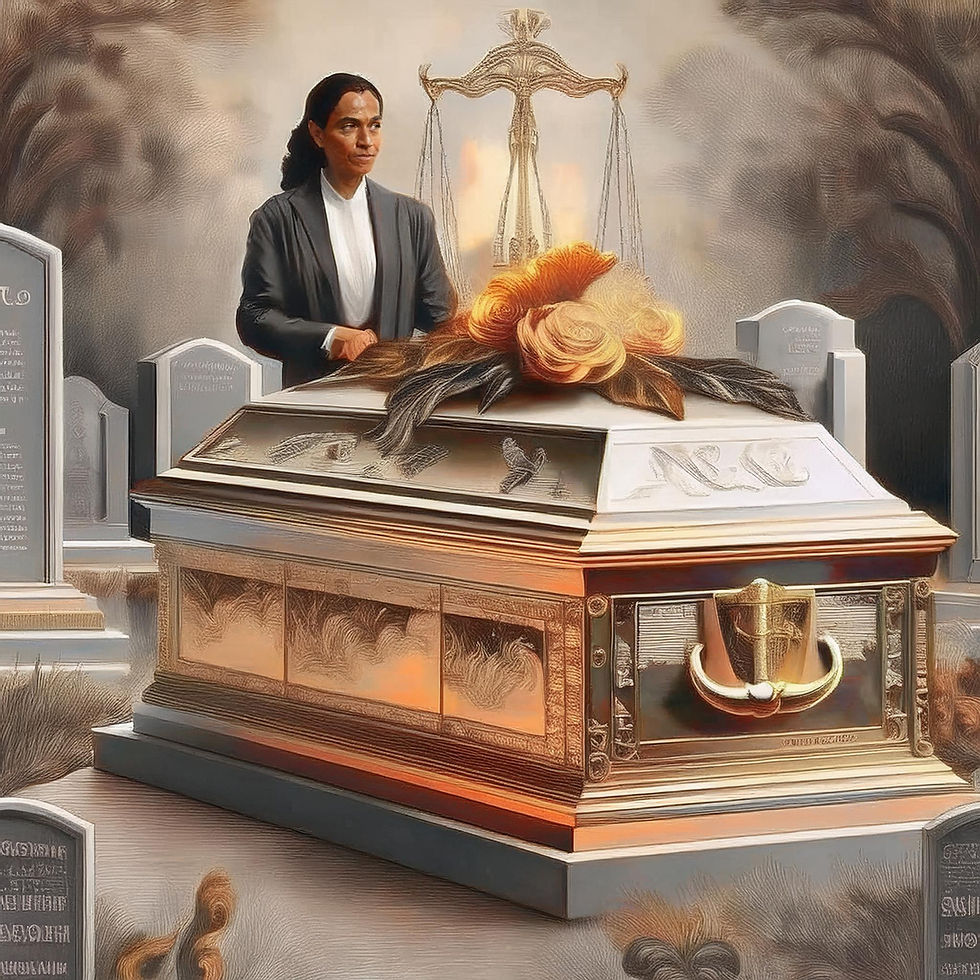
For those opting for a traditional burial, which involves laying the deceased to rest in a casket, it's important to note that state regulations can vary significantly. These regulations may dictate everything from the type of casket used to the depth at which it must be buried. Environmental considerations also play a role, with some states requiring that a casket be placed within a vault or liner. This is done to prevent the ground above from sinking over time, ensuring the integrity of the burial site and respecting the sanctity of the deceased's final resting place.
Moreover, specific mandates often apply to the cemetery itself. These can include rules about the distance between graves, the orientation of the casket, and the use of markers or headstones to identify the burial site. Such regulations are in place to maintain the cemetery's appearance, ensure respect for all those interred there, and facilitate cemetery maintenance and future burials.
In contrast, the rules can be just as complex for those who choose cremation. The disposition of cremation ashes, whether scattered or buried, is subject to state laws. Some states impose restrictions on scattering ashes in public places, such as parks or bodies of water, to avoid environmental issues or to respect the public's sensibilities. Others may require that cremation urns be interred in a cemetery or designated area, ensuring a permanent and respectful resting place for the ashes.
Given the complexity and variation of these laws, it's highly advisable to engage the services of a licensed funeral director. These professionals are well-versed in the legal landscape of their respective states. They can provide invaluable guidance through this difficult time. They can assist in obtaining any necessary permits, ensuring that the chosen method of burial or cremation adheres to state laws, and helps families navigate the often-complex process of letting their loved one rest.
One of the most important reasons to comply with state regulations and work with a funeral director is out of respect for the deceased. Ensuring their final disposition is handled legally and appropriately is a final act of care that can provide peace of mind to grieving families. It's a way to honor their memory, respecting their wishes and the law equally.
However, it’s more than just following the law. Engaging in these practices also benefits the broader community. By adhering to environmental guidelines and respecting communal spaces, families can ensure that their loved one's final resting place is preserved and protected for future generations. It's a collective effort to maintain the dignity of burial sites and the memories of those who rest there.
In conclusion, the process of laying a loved one to rest is fraught with emotional and logistical challenges. Among these, navigating your state's legal requirements for burial or cremation is paramount. Whether opting for a traditional burial or cremation, it's essential to understand the specific laws and regulations that apply. Working with a licensed funeral director can simplify this process, ensuring that all legal guidelines are followed and that the final disposition of your loved one is handled with the utmost respect and care. In doing so, families can find solace in knowing that they have fulfilled their loved ones’ final wishes in a respectful and compliant manner with the law.


Comments